
Prefabricated Steel Structures: Durable, Efficient, and Future-Ready

Introduction
In an era defined by rapid urbanization, industrial expansion, and the pursuit of sustainable development, the construction sector is embracing new methods that enhance efficiency, reduce waste, and increase durability. Among these innovations, prefabricated steel structures stand out as a transformative solution—combining strength, precision, and environmental responsibility in one streamlined system
What Are Prefabricated Steel Structures?
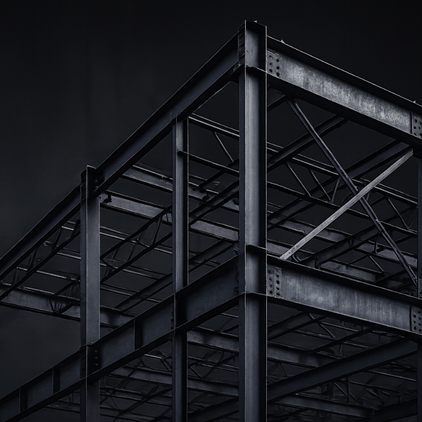
Prefabricated steel structures consist of building components manufactured off-site in specialized facilities, then assembled quickly on-site. Each element—columns, beams, panels, and connections—is engineered, cut, drilled, and pre-finished with computer-aided precision. This approach guarantees consistent quality, minimal material waste, and faster project timelines compared to conventional construction.
Unmatched Durability
Steel’s inherent properties make it one of the most robust and long-lasting materials in construction. Prefabricated steel buildings resist:
- Fire and corrosion
- Termite and pest damage
- Extreme weather, including heavy winds, snow, and earthquakes
These structures require minimal maintenance and retain structural integrity for decades, offering superior safety, longevity, and reliability—making them ideal for industrial plants, logistics hubs, schools, hospitals, and housing projects.
Speed, Efficiency, and Cost Savings
Prefabrication revolutionizes project timelines. While traditional methods may take months, prefabricated steel structures can be erected within weeks.
Key advantages include:
- Reduced labor costs: Factory fabrication minimizes on-site work.
- Shorter construction cycles: Simultaneous off-site production and site preparation.
- Lower waste and errors: Automated manufacturing ensures precision and reduces rework.
This efficiency results in faster project delivery, earlier occupancy, and better financial returns for developers and investors
Sustainability and Environmental Responsibility
Steel is the most recycled material globally, aligning perfectly with green building goals. Prefabricated steel systems often contain 60–90% recycled content and can be fully recycled after decades of use.
Additional sustainability benefits include:
- Reduced on-site noise, dust, and pollution
- Energy-efficient fabrication processes
- Smaller carbon footprint and waste generation
This eco-conscious approach supports LEED certification and other sustainability frameworks, reinforcing steel’s role in the circular economy
Flexibility and Future-Readiness
Modern prefabricated steel structures are modular and adaptable—they can be expanded, modified, or relocated with minimal disruption.
They integrate seamlessly with:
- Smart building systems
- Renewable energy setups (e.g., solar panels)
- Advanced insulation and HVAC technologies
This adaptability ensures long-term relevance, making steel structures future-ready for evolving industrial, commercial, or residential needs.
Conclusion
Prefabricated steel structures represent more than an engineering innovation—they symbolize the future of construction. By merging durability, efficiency, sustainability, and flexibility, they enable faster, greener, and smarter development across industries.
As cities and industries evolve, steel remains not just a material of strength—but a material of progress. Prefabricated steel is redefining how the world builds: stronger, smarter, and more sustainable than ever before.