
How Digital Twins Are Shaping Industrial Production Lines

Introduction
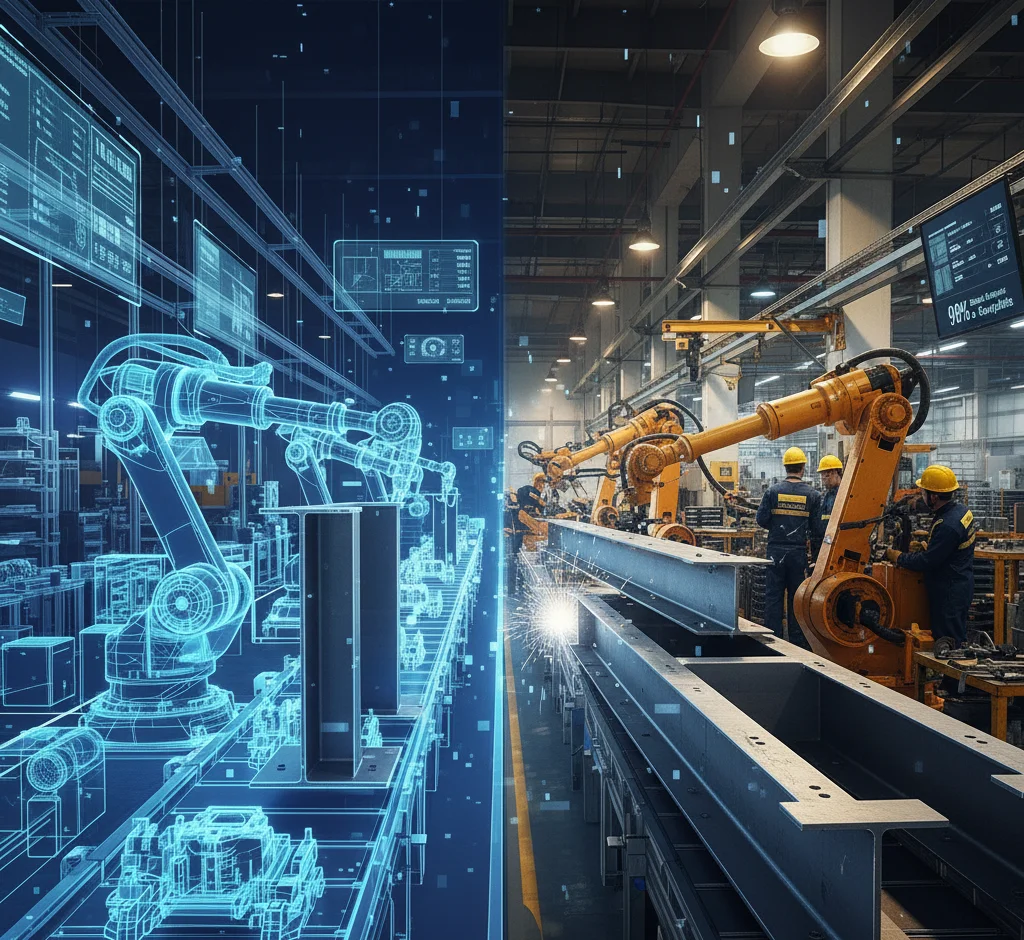
The rapid evolution of Industry 4.0 has introduced a powerful concept that’s transforming how factories operate — the Digital Twin. By creating a virtual replica of physical assets, digital twins allow manufacturers to simulate, monitor, and optimize production lines with unprecedented precision and insight
What Is a Digital Twin?
A digital twin is a real-time, data-driven model that mirrors the state, behavior, and performance of a physical system — such as machines, conveyors, or entire production lines. It continuously receives live data through IoT sensors, enabling engineers to test changes, predict failures, and enhance productivity without interrupting actual operations
Enhancing Production Efficiency
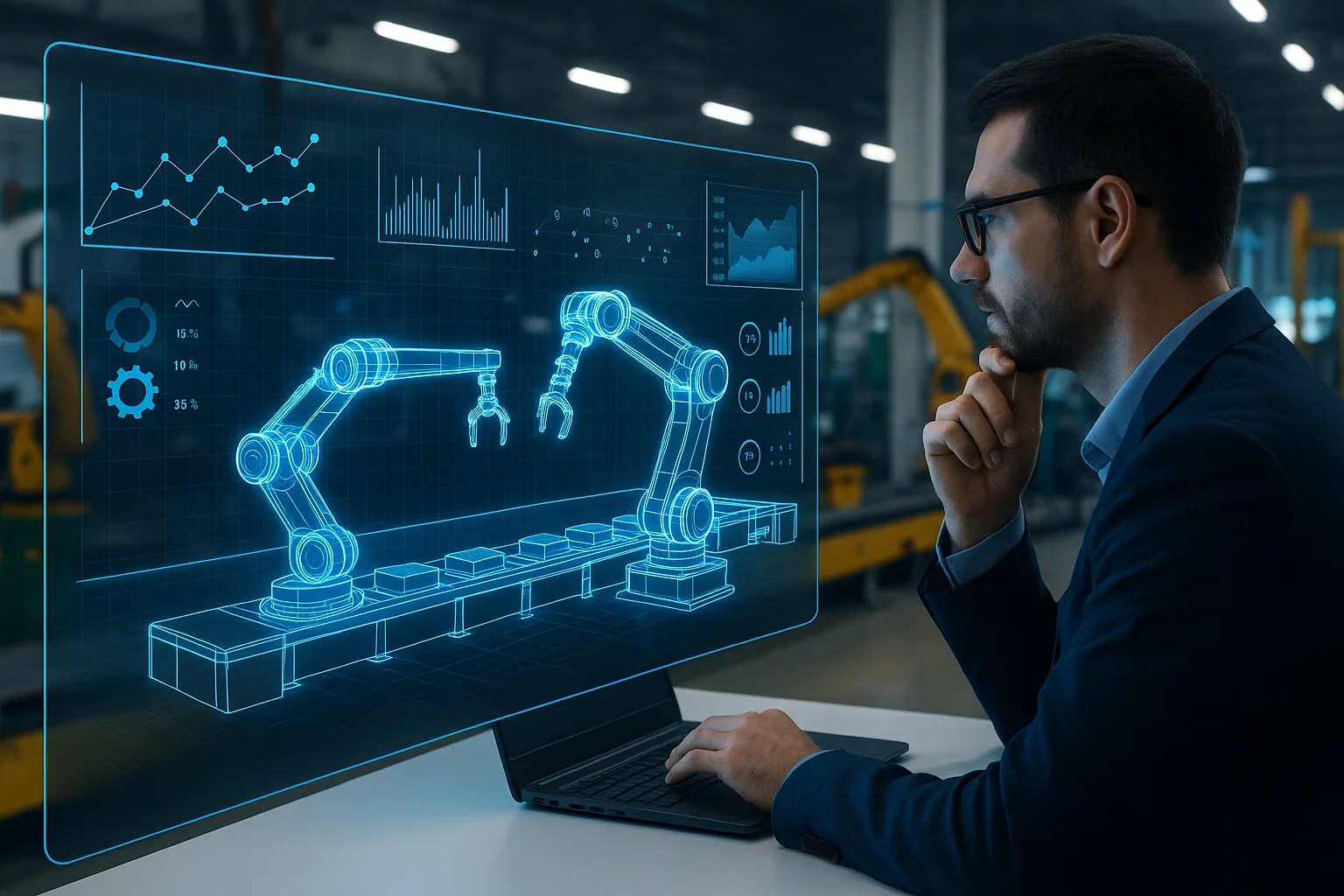
Digital twins give manufacturers a complete overview of every process on the production floor. By visualizing bottlenecks and inefficiencies, managers can simulate alternative layouts or machine settings to find the most efficient configurations. This leads to:
- Reduced downtime through predictive maintenance.
- Faster changeovers between product batches.
- Improved resource utilization and lower energy costs.
For example, a car manufacturer can simulate how different assembly line speeds affect output and quality before implementing physical changes, saving both time and materials.
Predictive Maintenance and Quality Control
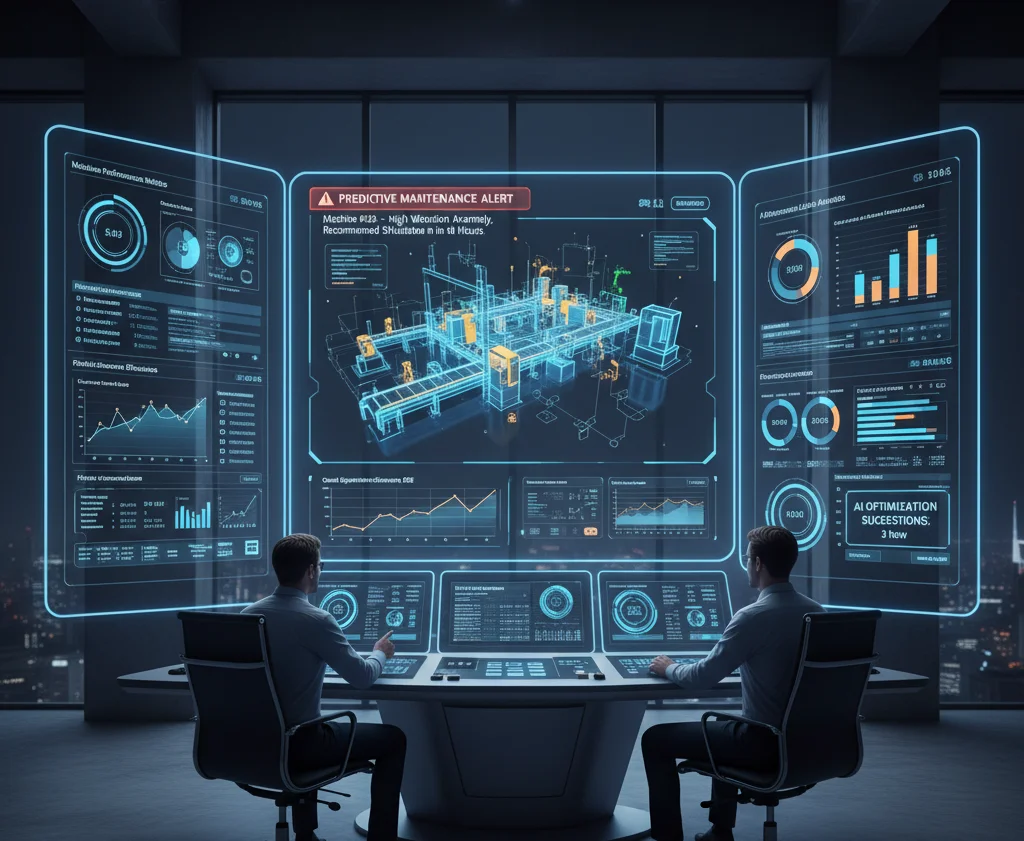
One of the most powerful benefits of digital twins is predictive maintenance. By analyzing vibration, temperature, and performance data, digital twins can detect early signs of machine wear or failure. Maintenance teams are alerted before breakdowns occur, ensuring continuity and minimizing costly stoppages.
Additionally, digital twins improve quality assurance by simulating how different environmental conditions or material variations might affect product performance, allowing manufacturers to maintain consistent quality.
Integration with Artificial Intelligence
When combined with AI and machine learning, digital twins become even smarter. AI algorithms can analyze historical data to optimize production schedules, predict demand, and automate decision-making in real time. The synergy between AI and digital twins enables truly self-optimizing production lines that learn and evolve continuously.
Sustainability and Cost Reduction
Digital twins also play a key role in sustainable manufacturing. By modeling energy consumption, waste generation, and emissions, companies can test greener processes without disrupting operations. The result is a significant reduction in costs and environmental impact.
Future Outlook
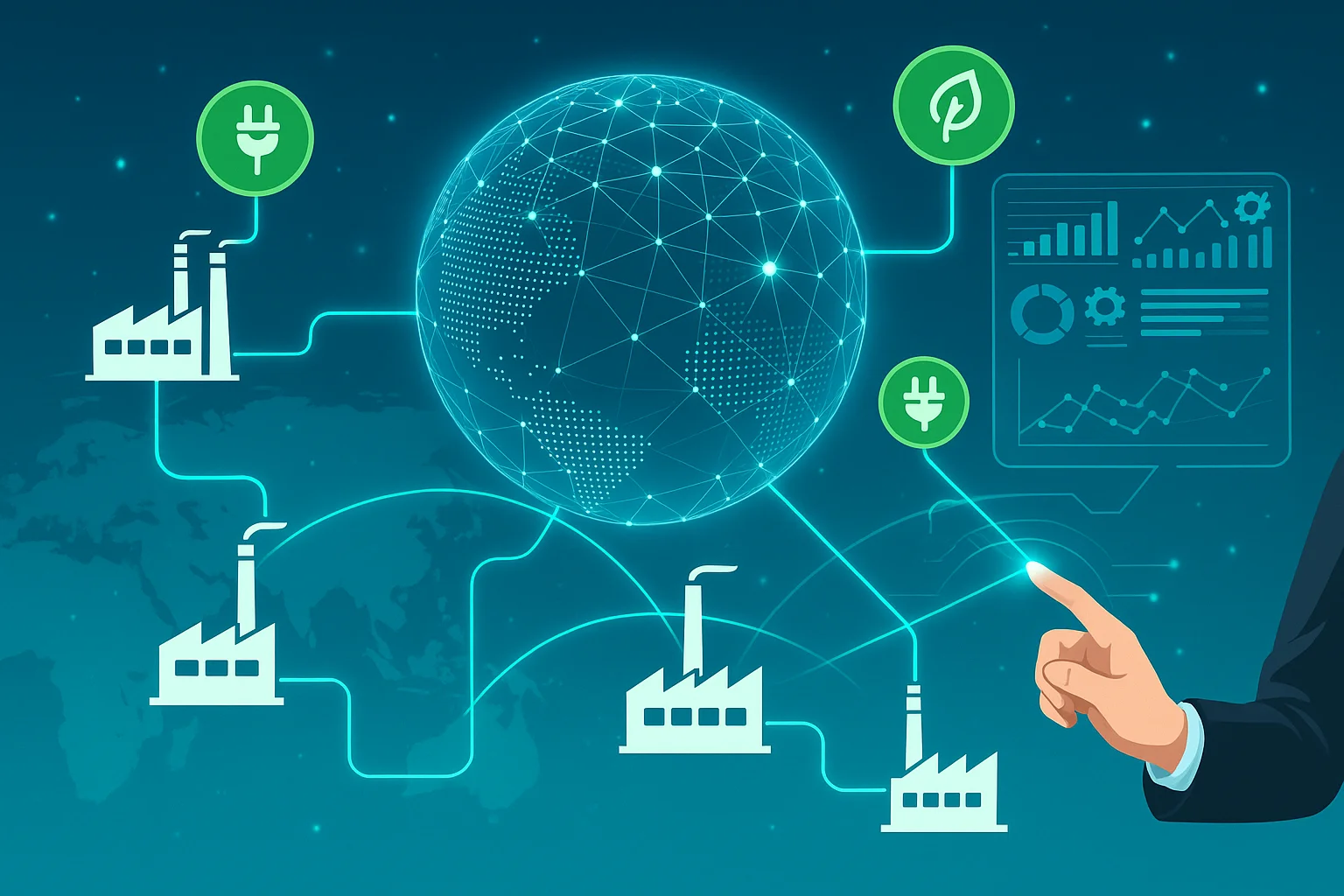
The future of digital twins goes beyond individual factories. Interconnected digital twins — representing entire supply chains — will allow manufacturers to synchronize logistics, inventory, and customer demand dynamically. As cloud computing, 5G, and edge AI advance, digital twins will become the digital backbone of the global industrial ecosystem.
Conclusion
Digital twins are redefining how industrial production lines are designed, monitored, and optimized. They bridge the gap between the physical and digital worlds, enabling smarter, faster, and more sustainable manufacturing. In the era of Industry 4.0, those who adopt digital twin technology early will gain a decisive edge in efficiency, innovation, and competitiveness.